Blog Objective
This blog helps employers, EHS managers, and business owners clearly understand the real benefits of workplace safety training so they can make informed decisions that protect their people and their business every single day.
Did You Know?
India experiences over 4,000 accidents annually in the industry, with high-risk industries such as construction and manufacturing being the main contributors to work-related accidents. This is a clear indication that safety training is a necessity rather than a choice.
Key Takeaways
- Workplace safety training directly reduces accidents, saves money, and builds a stronger team culture.
- Trained employees respond better under pressure and make safer decisions every day on the job.
- Businesses that invest in the training of safety programs protect not just their people but also their growth and reputation.
Every year, thousands of workers across India go to work and don’t come home safe. Not because the risks were not visible, but because no one had equipped them to handle them properly.
That’s the real cost of ignoring workplace safety training. It’s not just about ticking compliance boxes or putting up warning signs. It’s about giving your people the knowledge, confidence, and skills to protect themselves and everyone around them.
Whether you run a factory floor, a construction site, a corporate office, or a hospitality business, safety trainings are one of the most valuable investments you can make. Let’s break down exactly why.
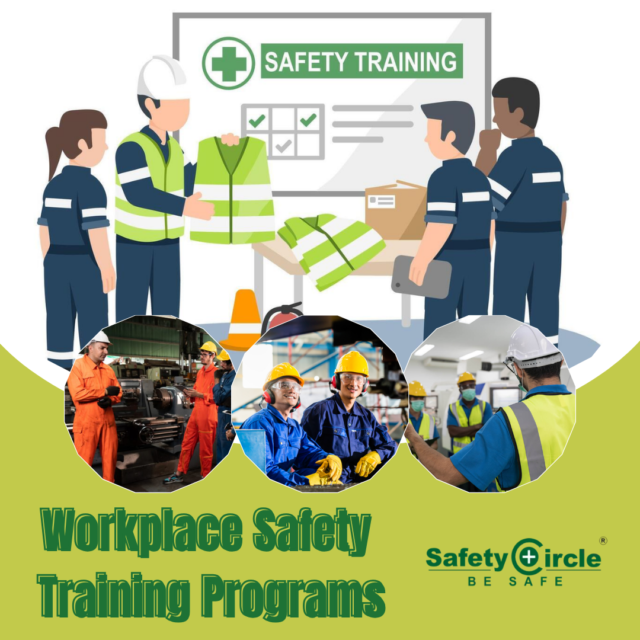
Table Of Contents
- Why Workplace Safety Can’t Be an Afterthought
- Fewer Accidents, Less Downtime
- Your Employees Become Your First Line of Defence
- It Builds Confidence and Boosts Morale
- Your Business Saves More Money Than You Think
- It Strengthens Your Company’s Reputation
- Frequently Asked Questions
1. Why Workplace Safety Can’t Be an Afterthought
Workplace injuries across India’s Nifty 500 companies reached 10,733 in FY23, with high-consequence injuries rising 33 percent compared to the previous year.
That’s just the reported numbers. Experts say actual figures are far higher due to underreporting across informal and contract workers.
- The difference between a safe workplace and a dangerous one often comes down to one thing: whether people were properly trained or not
- Workplace safety training isn’t paperwork or a poster on a wall; it’s structured knowledge that sticks and changes how your team works every single day
- Every sector, every team size, every industry needs it and the businesses that invest in it early are always better off
So let’s get into the real benefits that proper safety training programs bring to any workplace.
2. Fewer Accidents, Less Downtime
Prevention is always better than damage control.
The most immediate benefit of safety training in the workplace is simple: fewer accidents happen. When workers understand hazards, know the right procedures, and are trained to spot risk before it becomes an incident, the number of injuries drops significantly.
And fewer accidents mean fewer work stoppages. There are no production delays; no injured team members were off work for weeks. No investigations are eating into your time and resources.
- Workers learn to recognise hazards in real time rather than reacting after something goes wrong
- Fire safety and first-aid training prepares teams to handle emergencies calmly and correctly
- Confined space, scaffolding, and equipment-handling knowledge reduces injuries in physically demanding roles
- Disaster preparedness training ensures everyone has a plan before a crisis hits
- Regular drills and hands-on practice build muscle memory so the right response becomes instinctive
When accidents stop being a regular occurrence, your business stops paying the hidden costs that come with them.
3. Your Employees Become Your First Line of Defence
Trained people catch problems that no system or checklist ever will.
No policy document or safety manual can replace a worker who genuinely understands safety. Industrial safety training turns your employees from passive rule-followers into active, aware participants in keeping the workplace safe.
They notice the spill before someone slips on it. They flagged the equipment that was making an unusual sound. They remind a colleague to wear protective gear. These small moments, repeated daily by a trained workforce, are what actually prevent serious incidents.
- Industrial safety training sharpens observation skills so hazards get spotted and reported early
- Workers feel personally responsible for safety rather than waiting for someone else to act
- Teams trained together develop shared safety habits that reinforce each other on the floor
- Health and wellness knowledge helps employees manage physical demands and avoid long-term strain injuries
- VR-based training lets workers experience and practise high-risk scenarios without any real-world danger
This kind of workforce doesn’t just follow safety rules. They own them.
4. It Builds Confidence and Boosts Morale
People work better when they feel genuinely looked after.
Here’s something that often gets overlooked. Employee safety training isn’t just about preventing injuries. It directly affects how your team feels about coming to work every day.
When employees know they’ve been trained, that their employer cares about their well-being, and that they know what to do if something goes wrong, their confidence goes up. Their stress goes down. They focus more on the job and less on anxiety about what might happen.
- Trained employees feel valued and valued employees are more engaged and productive
- Confidence in knowing emergency procedures removes the underlying anxiety that drains focus
- Safety awareness becomes part of daily work culture rather than something people think about once a year
- Workshops, plant melas, carnivals, and interactive drills bring teams together and improve communication
- A workplace where people feel safe is a workplace where people actually want to show up
Morale and safety are more connected than most businesses realize.
5. Your Business Saves More Money Than You Think
The cost of one accident is almost always greater than the cost of training your entire team.
A single workplace accident triggers medical bills, compensation claims, legal costs, investigation time, and recruitment if the injured employee can’t return. Add in production downtime and the dip in team morale that follows, and the financial impact of one incident can far exceed what a full year of structured training would have cost.
Safety training programs aren’t spending money. They’re protecting money you’d otherwise lose. And safety consultancy services help identify where your current processes expose you to preventable costs before anything goes wrong.
| Without Safety Training | With Safety Training |
| Higher accident rates and medical costs | Significant reduction in workplace incidents |
| Legal penalties and compensation claims | Documented training reduces legal exposure |
| Production halted during investigations | Operations run without costly interruptions |
| High turnover from low morale and fear | Better retention through a culture of care |
| Reactive fixes after damage is done | Proactive habits prevent damage from starting |
The return on investment from proper safety training in the workplace is real, measurable, and often immediate.
6. It Strengthens Your Company’s Reputation
How you treat your people is visible to everyone watching.
Your safety culture says a lot about your business. Clients, partners, regulators, and potential employees all discern whether you genuinely prioritize safety or merely discuss it. Companies that can demonstrate trained, safety-aware teams are simply easier to trust and easier to work with.
Enterprise clients and government bodies often require proof of safety compliance before entering a partnership. A workforce backed by strong employee safety training gives your organization that credibility without scrambling to prove it last minute.
- Consistent safety awareness training signals to clients that your operations are reliable and professional
- Proof of structured training through a trusted safety training company protects your reputation during audits
- A visible commitment to safety attracts skilled workers who want to be part of a responsible organization.
- Partnering with a reliable safety training company adds credibility to your brand’s professional standing
- Safety audit services help find and fix gaps in your systems before they turn into costly incidents
When safety is genuinely embedded in how your organization works, it stops being a cost and starts being an asset.
Frequently Asked Questions
Q1. How often should workplace safety training be conducted?
Annual refreshers combined with regular on-site drills and audits form a solid baseline for most workplaces. High-risk environments like construction and manufacturing typically need more frequent sessions throughout the year.
Q2. Does safety training at the workplace apply to office-based businesses too?
Absolutely. Every workplace has risks, whether that’s fire hazards, ergonomic strain, or emergency evacuation. Safety training programs are always customized to suit the specific environment and should never be treated as one-size-fits-all.
Q3. How does safety training affect employee retention?
Employees who feel safe and valued stay longer. Workplace safety training directly reduces fear and uncertainty at work, which improves morale and makes people more likely to remain loyal to the organization long-term.
Q4. What’s the first step for a business that has never done formal safety training?
Start with a health and safety audit to understand where your current gaps are. From there a structured program built around your specific risks, team size, and industry makes the whole process far more effective. These safety audits also give you a clear baseline to measure progress against over time.
Your Safer Workplace Starts with One Decision
Every benefit in this blog comes down to one thing: the decision to take workplace safety training seriously before something forces you to.
The harder and more expensive path always involves waiting for an accident to occur, a fine to arrive, or a key employee to sustain an injury. The smarter move is building a trained, confident, safety-aware team right now.
Because when your people are safe, everything else in your business works better too.