You are walking home after a long shift. You step off the curb just as you’ve done a thousand times before. Suddenly, a car rounds the corner too fast, and your heart skips a beat. This close call is a daily reality for millions. In fact, pedestrians are among the most vulnerable road users.
According to the World Health Organization, pedestrians, cyclists, and riders of 2-wheelers account for half of all world traffic deaths.
At Safety Circle, we believe that understanding road safety Rules for pedestrian is the first line of defense against these preventable tragedies.
Key Takeaways
- Always use lights or bright clothes in low visibility.
- If there’s no sidewalk, walking in the opposite direction is the safest option.
- Avoid the temptation to jaywalk or cut across mid-block.
- Eyes up and phones down whenever you are near a road.
- Move in ways that drivers can easily anticipate.
Why You Must Follow Pedestrian Safety Rules Today
The road is a busy place where many things happen at once. Drivers deal with blind spots, and pedestrians usually assume they are seen when they aren’t. Since our inception, we have worked to build a “culture of safety” to address these gaps. We know that many accidents happen because people are in a rush. Following pedestrian safety rules isn’t just about obeying the law. It is about protecting your life and the lives of those around you.
When you walk, you are part of a larger system. Every movement you make impacts the flow of traffic. If you are unpredictable, you become a hazard. We’ve seen through our training of over 2 million people that awareness changes outcomes. Being mindful of your surroundings is the most important skill you can have on the street.
The Foundation of Pedestrian Road Safety Rules
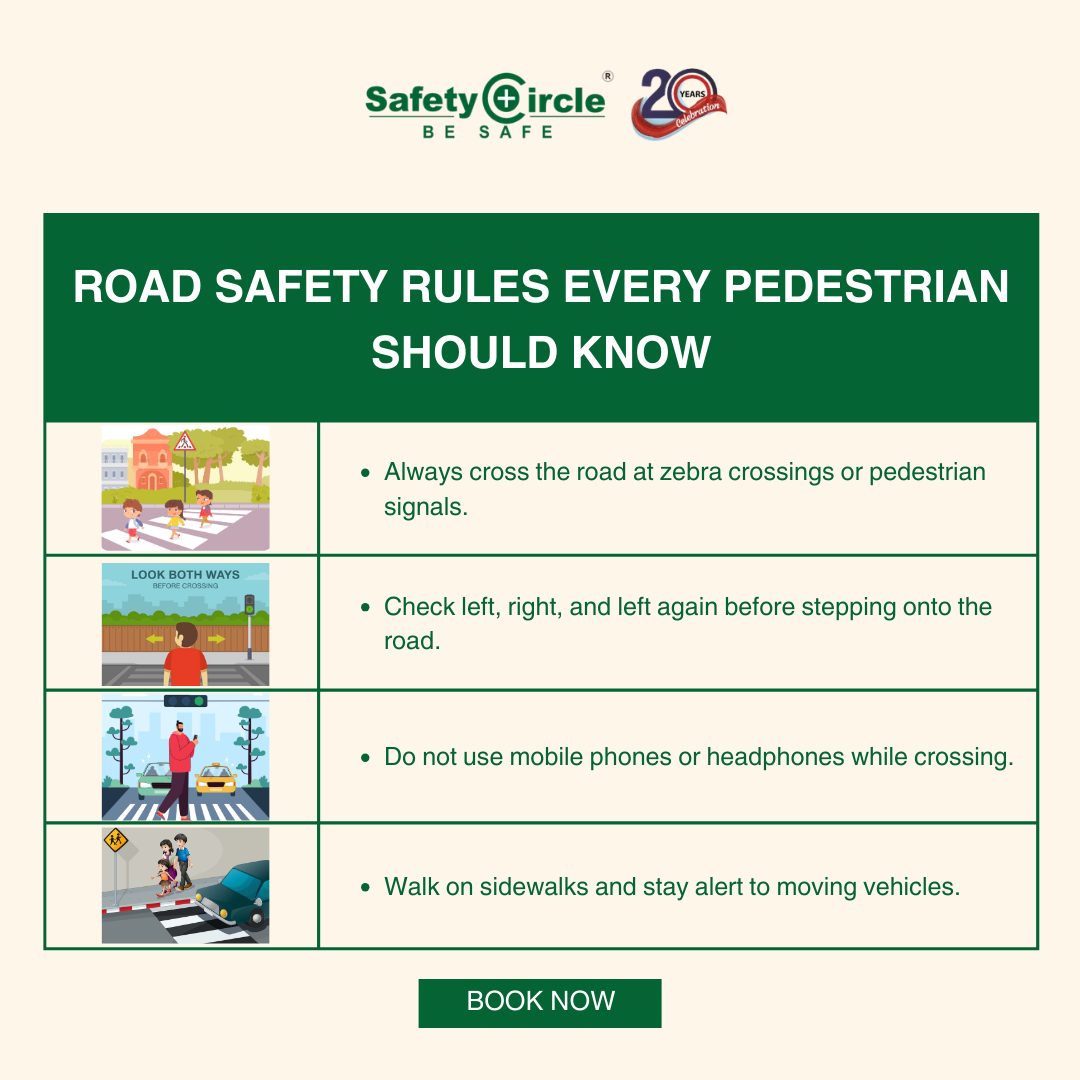
Visibility is your best friend when you are on foot. If a driver cannot see you, they cannot stop for you. You should always use sidewalks whenever they are available. If there is no sidewalk, walk on the shoulder of the road facing traffic. This allows you to see vehicles coming toward you and gives you time to move if necessary.
Adhering to pedestrian road safety rules requires constant vigilance. It’s easy to get distracted by a phone or a conversation. However, a split second of inattention can lead to a lifetime of regret. We emphasize this in our Defensive Driving and safety programs. You must stay focused on the path ahead.
Practical Tips for Staying Safe:
- Always wear bright or reflective clothing at night or in the rain.
- Avoid using noise-canceling headphones while walking near traffic.
- Stay in well-lit areas where drivers expect to see people.
- Don’t assume a driver will stop just because you have the right of way.
Mastering Road Crossing Safety at Every Intersection
Intersections are high-risk zones. This is where most collisions between vehicles and walkers occur. To ensure road crossing safety, you need to be deliberate with your movements. Never dart out from between parked cars. Drivers don’t expect a person to appear suddenly from behind.
We suggest you always use designated crosswalks or pedestrian bridges. Even if the walk is a bit longer, the protection is worth it. At Safety Circle, we provide technical expertise in safety manuals to help organizations teach these very steps. Crossing the street should be a systematic process, not a gamble.
How to Cross Safely:
- Stop at the curb and look left, right, and left again.
- Wait for a gap in traffic that gives you plenty of time.
- Make eye contact with drivers to confirm they’ve seen you.
- Walk at a steady pace; do not run or linger.
- Keep looking for turning vehicles as you cross the lanes.
By following these pedestrian safety tips, you reduce the chance of a misunderstanding with a driver.
Building Better Pedestrian Awareness
Your brain is your most effective safety tool. High pedestrian awareness means being tuned into the environment. You should listen for engine noises and watch for backup lights in parking lots. Many people don’t realize how quiet modern electric cars can be. You might not hear them coming, so you must rely on your eyes.
Distracted walking is a growing problem. We see people texting while crossing busy roads every day. This behaviour ignores the basic pedestrian safety rules that keep us alive. We provide specialized training to minimize these workplace and public hazards. We encourage you to put your phone away until you are safely indoors.
Why We Care at Safety Circle
We aren’t just a training company. We are a strategic partner for organizations that want to prioritize well-being. From First Aid to Disaster Management, our programs are designed to save lives. We bring global standards to local roads in India and beyond. Whether we are conducting EHS audits or developing safety animations, our goal remains the same: zero accidents.
We know that safety starts with the individual. When you choose to follow pedestrian road safety rules, you contribute to a safer community. When safety is prioritized, everyone wins. Your commute shouldn’t be a source of danger.
More Pedestrian Safety Tips for Daily Life
It’s important to remember that road conditions change. Rain, fog, and snow make it harder for cars to stop. You should increase your margin of safety during bad weather. If the road is slippery, a car might not be able to avoid you even if the driver sees you.
Consider these points:
- Be Careful in Parking Lots: Drivers are often looking for spots, not people.
- Watch for Turning Vehicles: Cars turning at a green light might not notice you in the crosswalk.
- Avoid Impairment: Alcohol and certain medications slow your reflexes.
- Help the Vulnerable: Assist children and the elderly when crossing the street.
Maintaining high pedestrian awareness is a full-time job when you are outside. These pedestrian safety rules are simple, but they are effective. We believe that education is the key to preventing injuries.
Ensuring Long-Term Road Crossing Safety
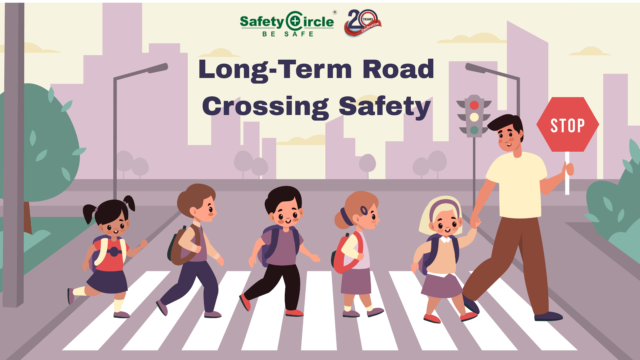
Safety is a habit that you build over time. It shouldn’t be something you only think about when a police officer is watching. True road crossing safety comes from a personal commitment to doing things the right way every time. We’ve spent over two decades helping people understand these risks.
Our work in ESG compliance and safety auditing shows that environments are safer when rules are clear. You can be a leader in your own family by modelling these behaviours. Teach your children to respect the road. Show them that pedestrian safety tips are not just suggestions; they are life-saving protocols.
Take the Next Step Toward Safer Roads
Road safety is a shared responsibility. While drivers must be careful, you have the power to protect yourself by following pedestrian safety rules. At Safety Circle, we are dedicated to creating a world where no one has to fear a simple walk to the store. Our world-class training and consultancy services are here to help you and your organization reach the highest safety standards.
Are you ready to make safety a priority in your workplace or community? We can help you build the “culture of safety” you need. Reach out to us for specialized programs or audits. Let’s work together to make every journey a safe one.
FAQs
1. Which side of the road is safest?
Always walk against the flow of traffic if sidewalks are missing. This positioning allows you to see vehicles coming toward you. It gives you extra seconds to move if a driver seems distracted.
2. Can I cross at a red light if no cars are coming?
No. Even with empty roads, pedestrian safety rules require waiting for the signal to ensure your safety and legal protection.
3. Are headphones dangerous while walking?
Yes, noise-cancelling tech blocks vital auditory cues like sirens or screeching tires. Keep one ear free to maintain high pedestrian awareness.
4. What should I do at a blind curve?
Stop and listen before proceeding. Wave your hand or a flashlight to signal your presence to oncoming drivers.